10 Travel Phrases Bhutan
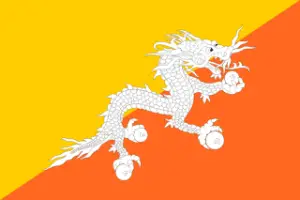
Bhutan
Dzongkha is the primary language of administration and education in Bhutan, knowing some basic phrases in Dzongkha can be helpful for communication, especially in urban areas and government offices. However, if you plan to visit rural areas or interact closely with local communities, having some knowledge of Nepali, which is widely spoken by the ethnic Nepali community, could also enhance your experience and facilitate communication with the local people.
10 Basic Phrases in Dzongkha
| English | Dzongkha | Pronunciation |
|---|---|---|
| Hello / Hi | བཀྲ་ཤིས་བདེ་ལེགས་ (Kuzu zangpo) | koo-zoo zahng-poh |
| Please | རྩོམ་རིག་འཛུགས་ (Tshom rik dzuk) | tshohm reek dzook |
| Thank You | བཀྲ་ཤིས་བདེ་ལེགས་ (Kuzu zangpo) | koo-zoo zahng-poh |
| Yes | ཡིན (Yin) | yin |
| No | མེད (Med) | med |
| Excuse me | དགོས་པར་རིག་འཛུགས་ (Gospar rik dzuk) | goh-spar reek dzook |
| Where is …? | …ཆ་ཞུ་ཡིན།? (Cha zhu yin?) | cha shoo yin |
| I don’t understand | འདི་གསར་བདེ་མེ་དོར། (Di sar de me dor?) | dee sahr de meh dor |
| Help | གཏོར་འཛུམ་ (Thor dzum) | thor dzoom |
| Goodbye | ཞེས་དུ་བཤོལ། (Zhedu shol) | zheh-doo shohl |
10 Basic Phrases in Nepali
| English | Nepali | Pronunciation |
|---|---|---|
| Hello / Hi | नमस्ते (Namaste) | nah-mahs-teh |
| Please | कृपया (Kripyā) | kree-pyah |
| Thank You | धन्यवाद (Dhanyavād) | dhahn-yah-vahd |
| Yes | हो (Ho) | hoh |
| No | होइन (Hoina) | hoh-ee-nah |
| Excuse me | माफ गर्नुहोस् (Māpha garnuhos) | mahf gahr-nooh-hos |
| Where is …? | कहाँ छ? (Kaha chha?) | kah-hahn chhah |
| I don’t understand | मलाई सम्झिन्न (Malāī samjhinna) | mah-lah-ee sahm-jhee-nah |
| Help | मद्दत गर्नुहोस् (Maddat garnuhos) | mahd-daht gahr-nooh-hos |
| Goodbye | नमस्ते (Namaste) | nah-mahs-teh |
Traveling in Bhutan
Bhutan, nestled in the Eastern Himalayas, offers travelers a unique blend of ancient traditions, stunning landscapes, and spiritual heritage. Known for its Buddhist monasteries, pristine environment, and Gross National Happiness philosophy, Bhutan provides a serene and culturally enriching destination for exploration.
Bhutan boasts iconic landmarks such as the Taktsang Monastery (Tiger’s Nest), perched on a cliffside above the Paro Valley, and the Punakha Dzong, a fortress-monastery with intricate woodwork and stunning architecture. The capital city, Thimphu, showcases a mix of traditional Bhutanese architecture and modern developments, with attractions like the Tashichho Dzong and the National Memorial Chorten.
The country’s natural beauty is characterized by its rugged mountains, lush valleys, and pristine rivers. Bhutan is home to several protected areas, including Jigme Dorji National Park and Wangchuck Centennial Park, offering opportunities for trekking, birdwatching, and encountering rare wildlife such as the takin and the black-necked crane.
Traveling in Bhutan allows visitors to immerse themselves in a culture deeply rooted in Buddhist principles and spiritual traditions. Acquiring a basic proficiency in the top 10 essential phrases of the local language, Dzongkha, can enhance your travel experience, facilitating interactions with locals and showing cultural respect. Enjoying Bhutanese cuisine, such as ema datshi (chili and cheese stew), momo (dumplings), and suja (butter tea), and participating in cultural events like the Paro Tshechu or the Thimphu Tsechu will enrich your journey.