10 Travel Phrases Democratic Republic of the Congo
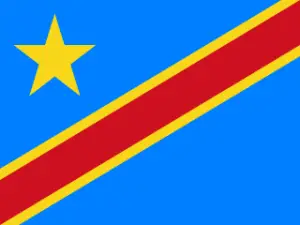
Democratic Republic of the Congo
In the Democratic Republic of the Congo (DRC), there are over 200 languages spoken. However, four languages hold official status: French, Lingala, Kiswahili, and Kikongo. French is the language of administration, education, and formal communication in the DRC, widely used in government offices, schools, and business transactions. Lingala, primarily spoken in the western part of the country, serves as a lingua franca and is commonly used in urban areas, music, and informal settings. Kiswahili, although more commonly spoken in East Africa, is also used in parts of the DRC, particularly in the eastern regions bordering countries where Kiswahili is predominant. Kikongo, mainly spoken in the western provinces, is another lingua franca utilized for communication among different ethnic groups and communities in the area.
10 Basic Phrases in French
| English | French | Pronunciation |
|---|---|---|
| Hello / Hi | Bonjour | bon-zhoor |
| Please | S’il vous plaît | seel voo pleh |
| Thank You | Merci | mehr-see |
| Yes | Oui | wee |
| No | Non | noh |
| Excuse me | Excusez-moi | ex-kew-zay mwah |
| Where is …? | Où est…? | oo eh…? |
| I don’t understand | Je ne comprends pas | zhuh nuh kohm-prahnd pah |
| Help | Aidez-moi | ed-ay mwah |
| Goodbye | Au revoir | oh reh-vwahr |
10 Basic Phrases in Lingala
| English | Lingala | Pronunciation |
|---|---|---|
| Hello / Hi | Mbote | m-boh-tay |
| Please | Pakisa | pah-kee-sah |
| Thank You | Malamu | mah-lah-moo |
| Yes | Eyo | eh-yoh |
| No | Te | teh |
| Excuse me | Bolingo na nga te | boh-ling-oh nah ngah teh |
| Where is …? | Wapi…? | wah-pee |
| I don’t understand | Nalingi kozala te | nah-ling-ee koh-zah-lah teh |
| Help | Soki osali | soh-kee oh-sah-lee |
| Goodbye | Tokomonana | toh-koh-moh-nah-nah |
10 Basic Phrases in Kiswahili
| English | Kiswahili | Pronunciation |
|---|---|---|
| Hello / Hi | Jambo | jahm-boh |
| Please | Tafadhali | tah-fah-dah-lee |
| Thank You | Asante | ah-sahn-teh |
| Yes | Ndiyo | nn-dee-yoh |
| No | Hapana | hah-pah-nah |
| Excuse me | Samahani | sah-mah-hah-nee |
| Where is …? | Wapi…? | wah-pee |
| I don’t understand | Sielewi | see-leh-wee |
| Help | Saidia | sigh-dee-ah |
| Goodbye | Kwaheri | kwah-heh-ree |
10 Basic Phrases in Kikongo
| English | Kikongo | Pronunciation |
|---|---|---|
| Hello / Hi | Mbote | mm-boh-teh |
| Please | Nkumbula | n-koom-boo-lah |
| Thank You | Matondo | mah-ton-doh |
| Yes | Ee | ay |
| No | Nde | n-deh |
| Excuse me | Nsangi | n-sahng-ee |
| Where is …? | Ku Muela kwa…? | koo mweh-lah kwah |
| I don’t understand | Nzola nleko | nzoh-lah nleh-koh |
| Help | Wavulula | wah-voo-loo-lah |
| Goodbye | Kende | kehn-deh |
Traveling in the Democratic Republic of the Congo
The Democratic Republic of the Congo (DRC), located in Central Africa, offers travelers a blend of natural wonders, cultural diversity, and adventurous experiences. Known for its vast rainforests, endangered wildlife, and vibrant communities, the DRC provides a unique and rewarding destination for exploration.
The DRC boasts iconic landmarks such as Virunga National Park, home to endangered mountain gorillas and Africa’s oldest national park, and the mighty Congo River, the second-longest river in Africa. Kinshasa, the capital city, features bustling markets, lively nightlife, and cultural attractions like the National Museum and the Ma-Vallee neighborhood.
The country’s natural beauty is exemplified by the dense jungles of the Congo Basin, offering opportunities for gorilla trekking, birdwatching, and exploring remote villages. The breathtaking Nyiragongo volcano with its lava lake and the tranquil waters of Lake Kivu provide stunning landscapes and outdoor adventures.
Traveling in the Democratic Republic of the Congo allows visitors to immerse themselves in a country with a rich cultural tapestry and warm hospitality. Acquiring a basic proficiency in the top 10 essential phrases of the local languages, French and Lingala, can enhance your travel experience, facilitating interactions with locals and demonstrating cultural respect. Enjoying Congolese cuisine, such as fufu (cassava dish), moambe chicken, and saka saka (cassava leaves), and participating in cultural events like traditional dance performances or local celebrations will enrich your journey.